About

Who we are

The Dreamweaver Heritage Collective Inc. (TDC) is a registered 501(c)⁠(3) nonprofit organization dedicated to preserving, protecting, and celebrating the Indigenous arts, cultural traditions, and living heritage of Mindanao, Philippines.

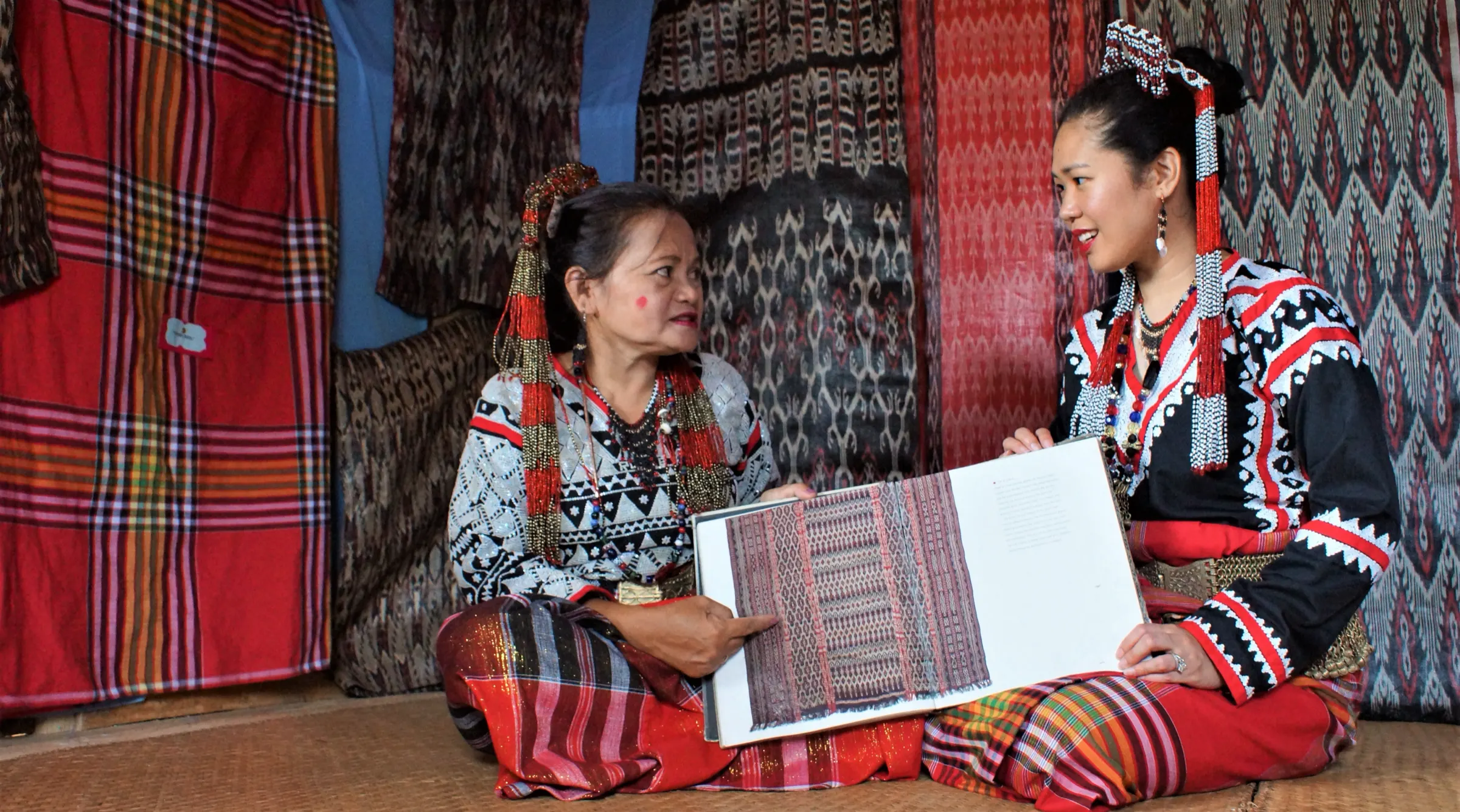
Two women in Tboli dress seated on a woven mat among hanging T’nalak, looking together at a book of textile patterns

Discover handcrafted textiles, beadwork, brasswork, and other creations by artisans in Lake Sebu. Each piece reflects the knowledge, creativity, and living traditions of its maker.

Interested in an artisan’s work? Contact us at hello@thedreamweavercollective.org to learn more.

Named after the Tboli people of Lake Sebu, widely known as the Dreamweavers for their sacred tradition of T’nalak weaving, our organization is rooted in the belief that cultural heritage is a living legacy that deserves to be honored, sustained, and shared with future generations.

We work alongside artisans, weavers, and makers to create opportunities that strengthen livelihoods, expand access to markets, and elevate Indigenous voices on local and global platforms. Through cultural programs, education, fair trade initiatives, and community engagement, we build meaningful connections between Mindanao, the Filipino diaspora, and supporters around the world.

More than an organization, The Dreamweaver Collective is a movement that brings people together through culture, creativity, and shared humanity.

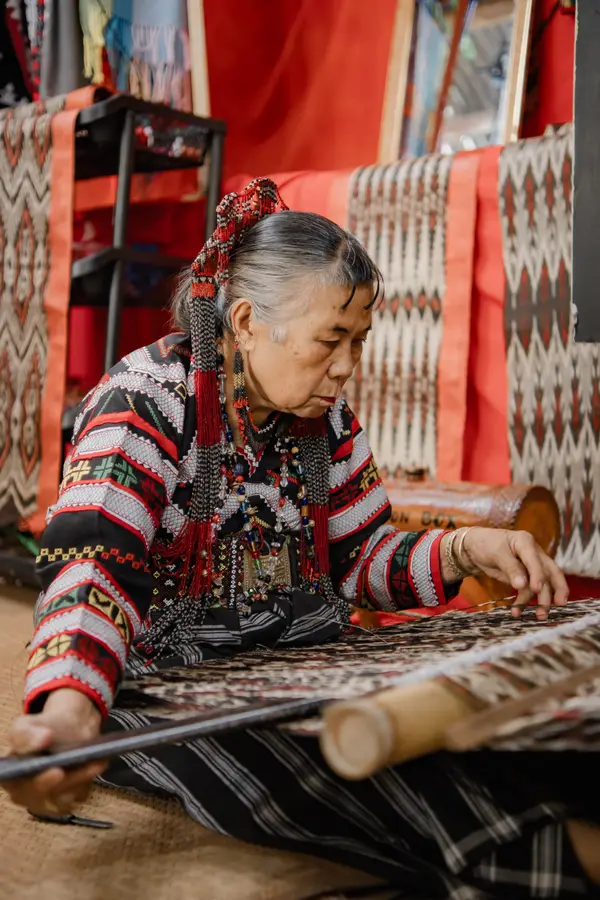
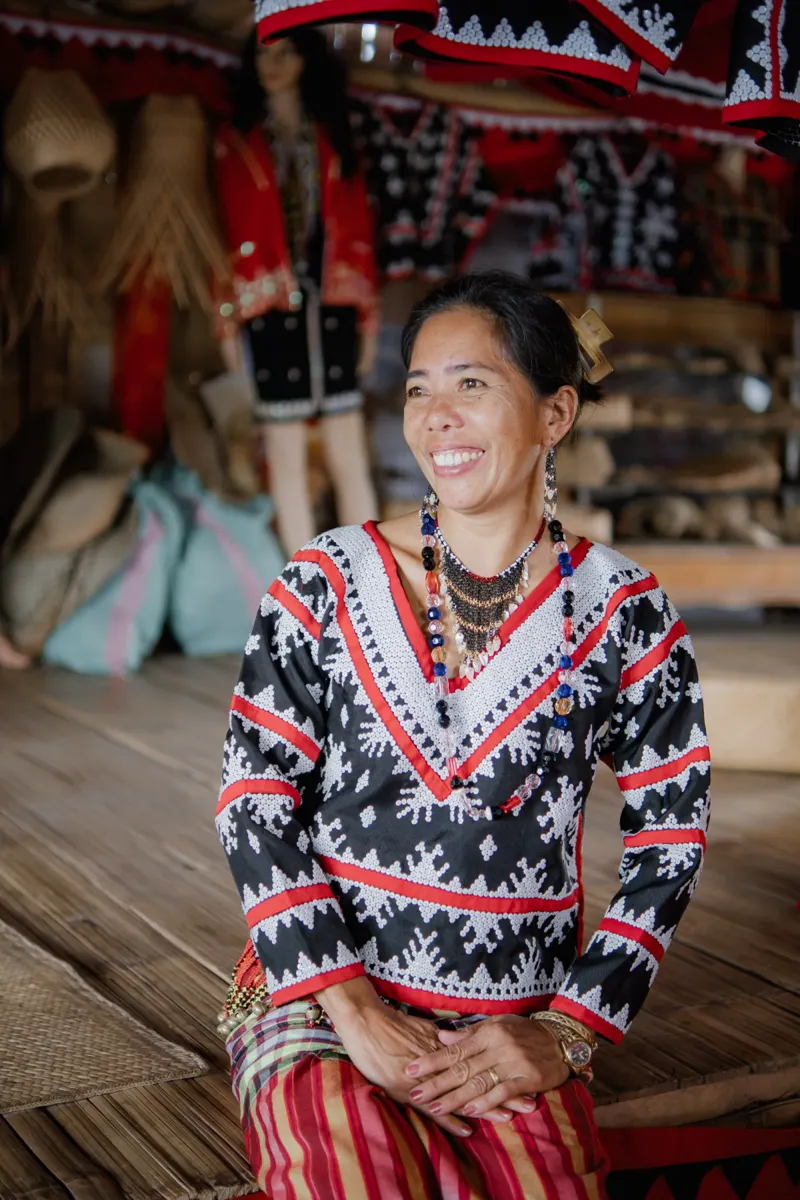
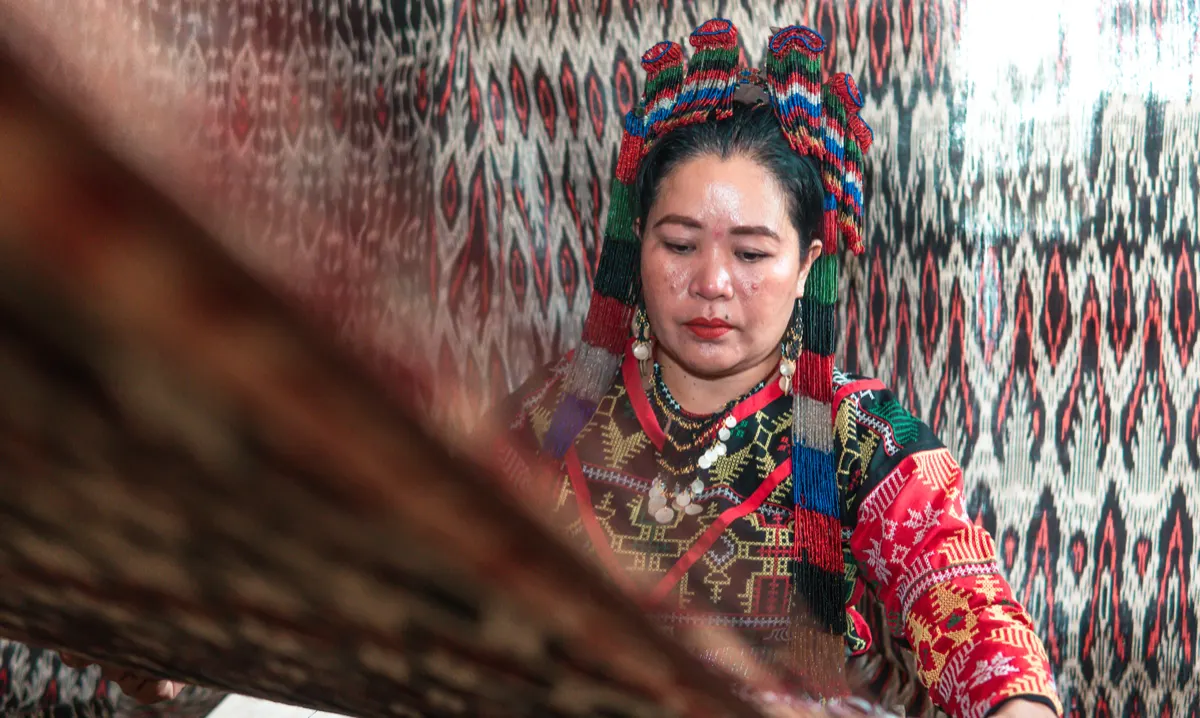
An artisan in Tboli dress seated in a workshop, smiling, with woven goods behind herA weaver in a beaded headpiece at her loom, T’nalak hanging behind her
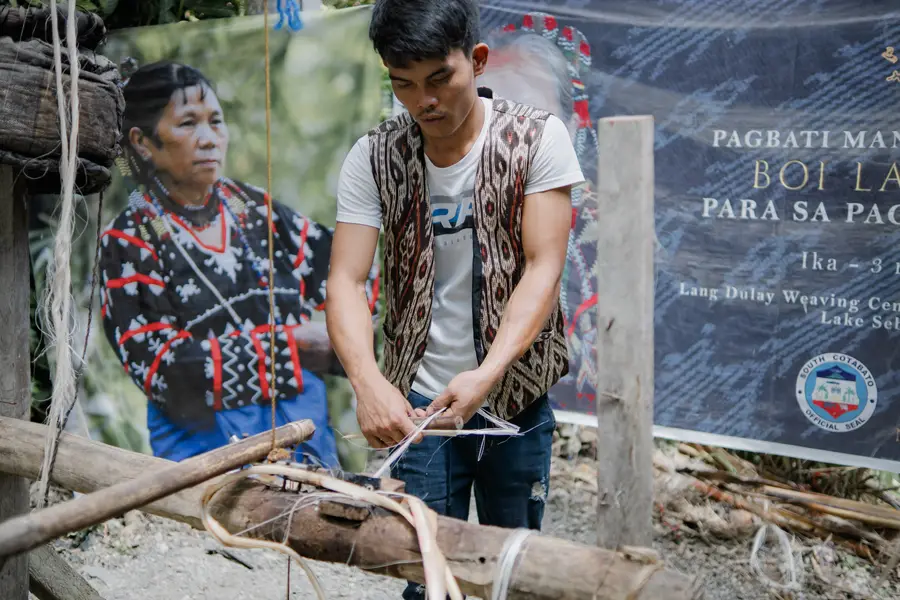
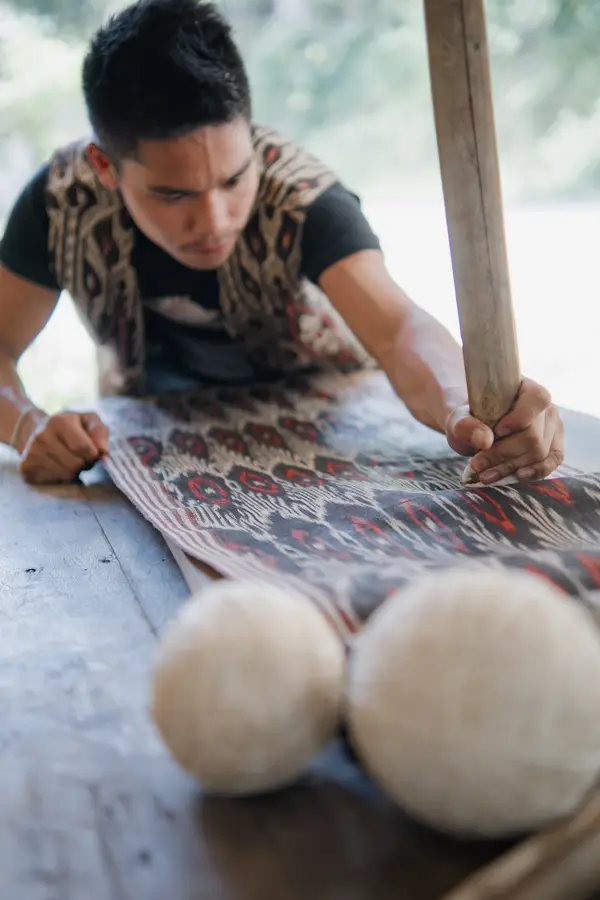
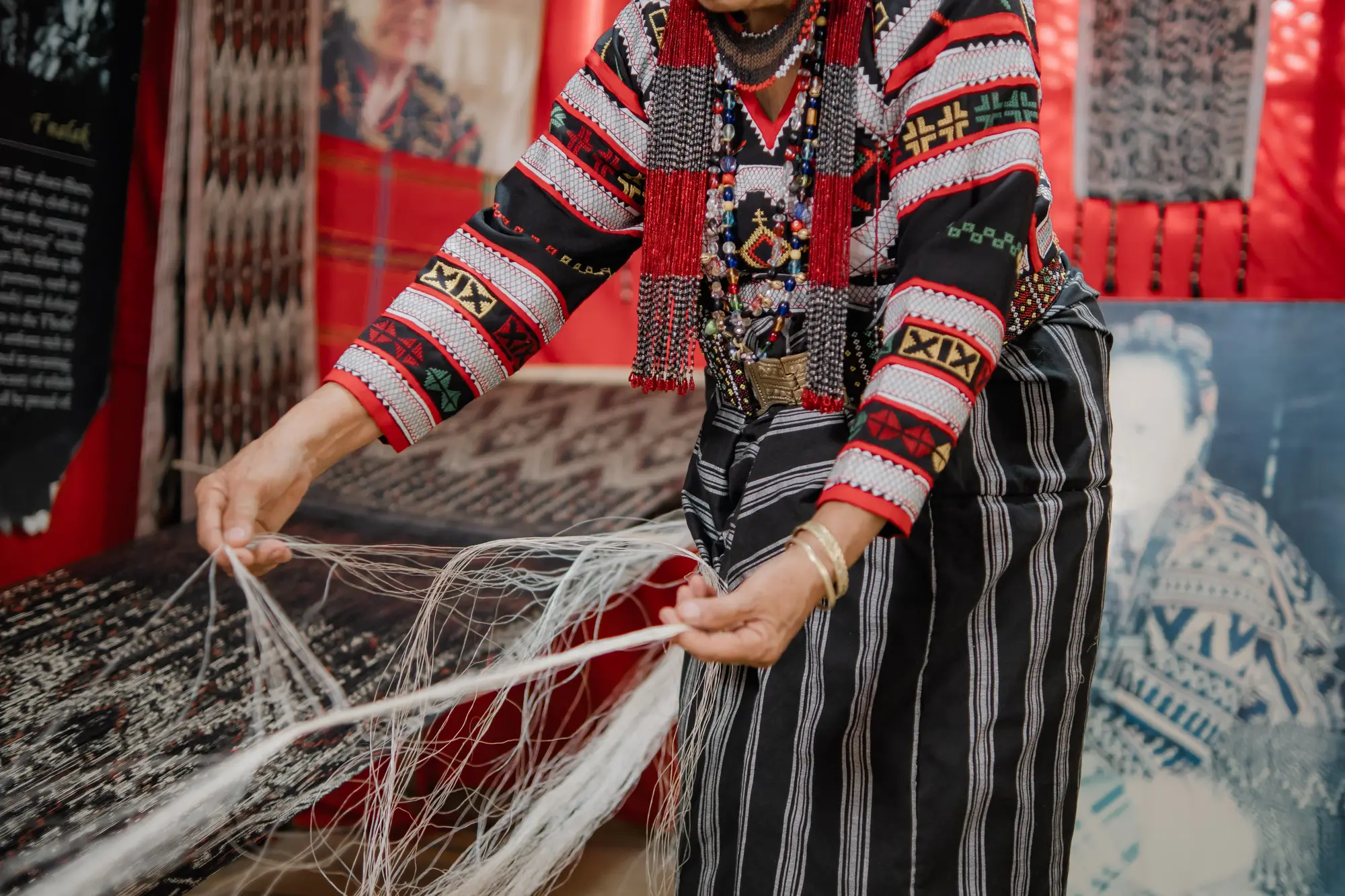
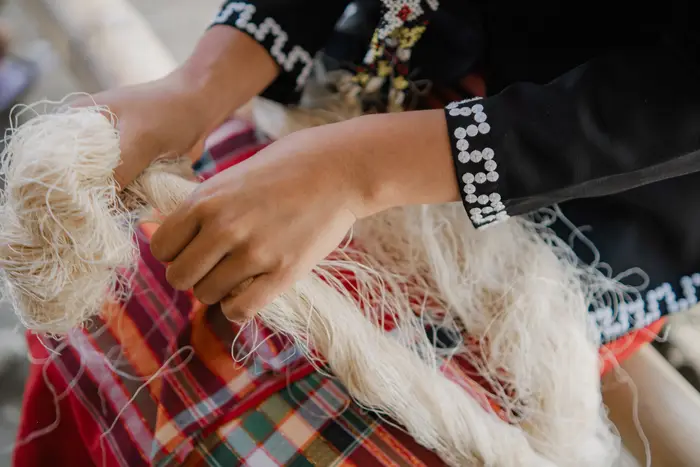
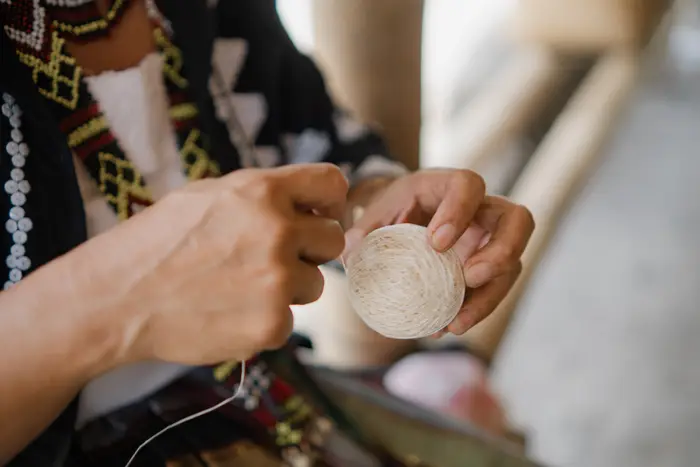
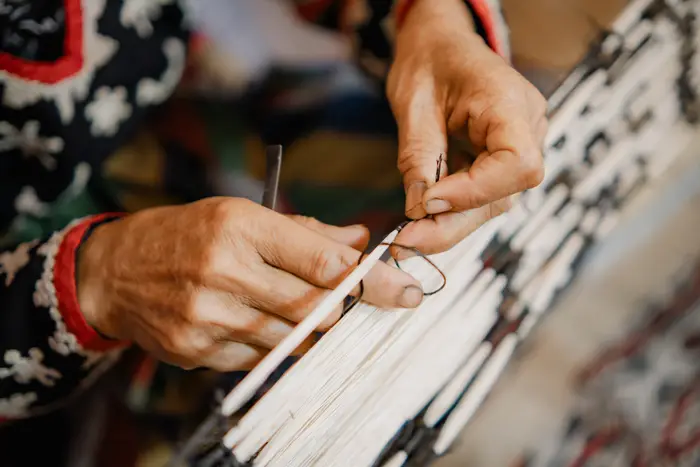
Hands separating abaca fibreHands winding the ball threadHands tying the pattern into the warp

Our story

From a grassroots effort to a nonprofit

The Dreamweaver Collective began as a grassroots effort inspired by a deep love for the Tboli community of Lake Sebu and a commitment to preserving its rich cultural traditions.

What started as an initiative to support local artisans has grown into a nonprofit organization dedicated to cultural preservation, artisan empowerment, and community engagement. Today, we continue to work alongside Indigenous artisans and cultural bearers to help ensure their traditions are celebrated, sustained, and shared with the world.
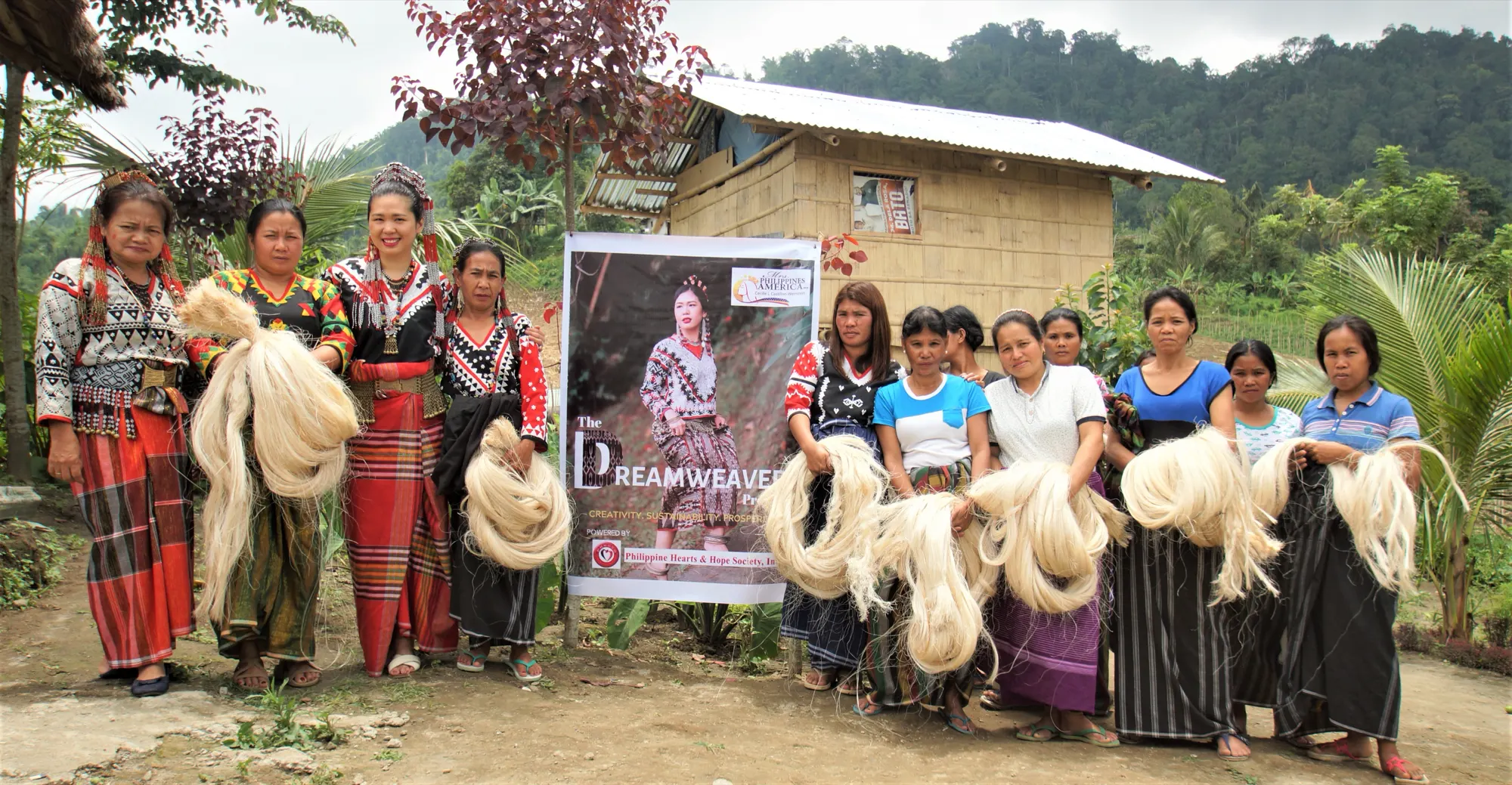
A group of women in Tboli dress holding bundles of abaca fibre beside a Dreamweaver Project banner

What we do

Four ways we work

Support artisans

We help artisans and makers gain access to opportunities that strengthen their livelihoods and showcase their work to wider audiences.

Preserve cultural heritage

We celebrate and safeguard traditional practices, stories, and artistic expressions that have been passed down through generations.

Build community

We foster meaningful cultural connections among Indigenous communities, Filipino Americans, members of the diaspora, and supporters worldwide.

Create opportunities for learning

Through workshops, cultural programs, educational events, and storytelling, we promote appreciation and understanding of Mindanao’s rich cultural heritage.

Our core values

What guides the work

  • Cultural preservation

    We honor and protect the traditions, artistry, and heritage of Mindanao’s Indigenous communities.

  • Empowerment and fair trade

    We support pathways toward sustainable livelihoods, ethical trade, and economic opportunity.

  • Education and advocacy

    We foster awareness and appreciation for Indigenous arts, history, and cultural traditions.

  • Community and global connection

    We build bridges between communities through shared learning, collaboration, and cultural exchange.

  • Innovation and sustainability

    We balance tradition with modern opportunities to help cultural practices remain vibrant and relevant.

  • Integrity and ethical collaboration
    We operate with transparency, respect, and a commitment to community-centered partnerships.

Weaving process

The Tboli weaving process

  1. Harvesting abaca

    1

    Harvesting and stripping of abaca

    KEMALUD

    Stripping abaca fibers into finer strands

  2. Hanging and stringing the fibre

    2

    Hanging & stringing

    HOLOS

    Hanging the fibers to dry and weaving the T’nalak strings onto a loom.

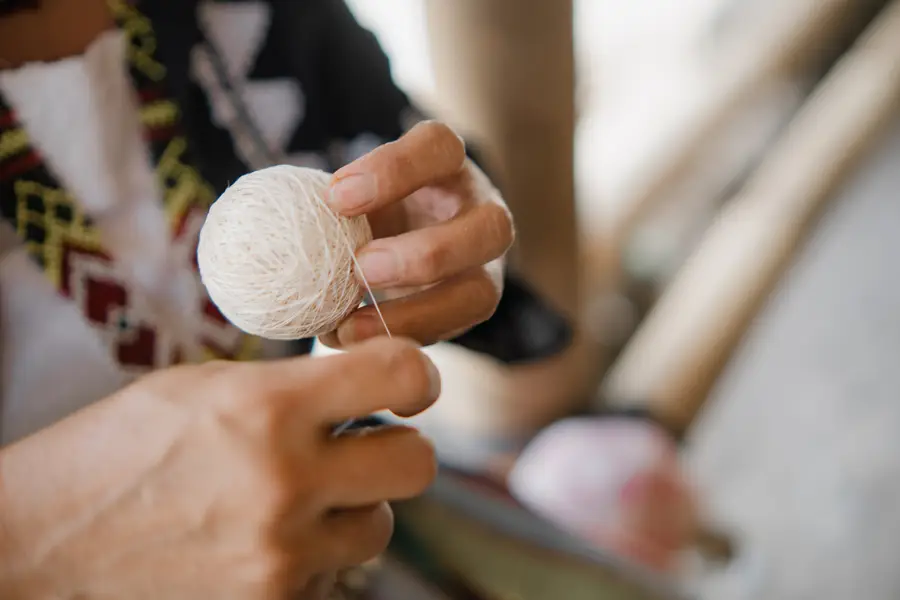
  3. Winding the ball of thread

    3

    Making the ball of thread

    Gathering the dried T’nalak threads into a ball for further processing

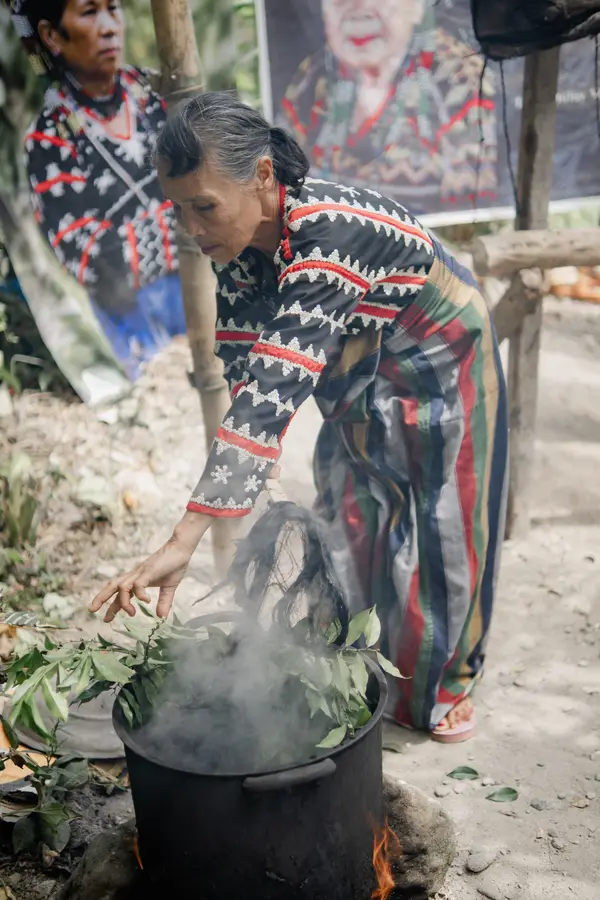
  4. Dyeing the fibre

    4

    Design & dyeing

    MEBED · MLOGO

    Preparing the strings for the IKAT (dye-resist) technique. MEBED: Tying the strings in specific knots to create an intricate pattern. MLOGO: Boiling the dyes and dipping the threads to add hues to the composition.

  5. Weaving T’nalak on a backstrap loom

    5

    Weaving

    MEWEL

    Meticulously weaving the cloth on a backstrap loom

  6. Pounding the woven cloth

    6

    Pounding & ironing

    SMAKI

    Enhancing the textile with a cowrie shell’s touch, anointing it with nut oil for sustenance.

See the full weaving process

Our evolving mission

We uplift Indigenous artisans in Mindanao through fair trade, cultural preservation, and community-building.

We create spaces for immigrant and diaspora communities to reconnect with identity, belonging, and ancestral wisdom. By weaving heritage with opportunity, we help ensure that the stories, skills, and spirit of our people continue to thrive across generations.

A weaver hanging and stringing abaca fibre

Our vision

We envision a world where Indigenous arts and cultural traditions are valued, protected, and celebrated;

where artisans have access to sustainable opportunities; and where communities remain connected to the heritage that shapes their identity.

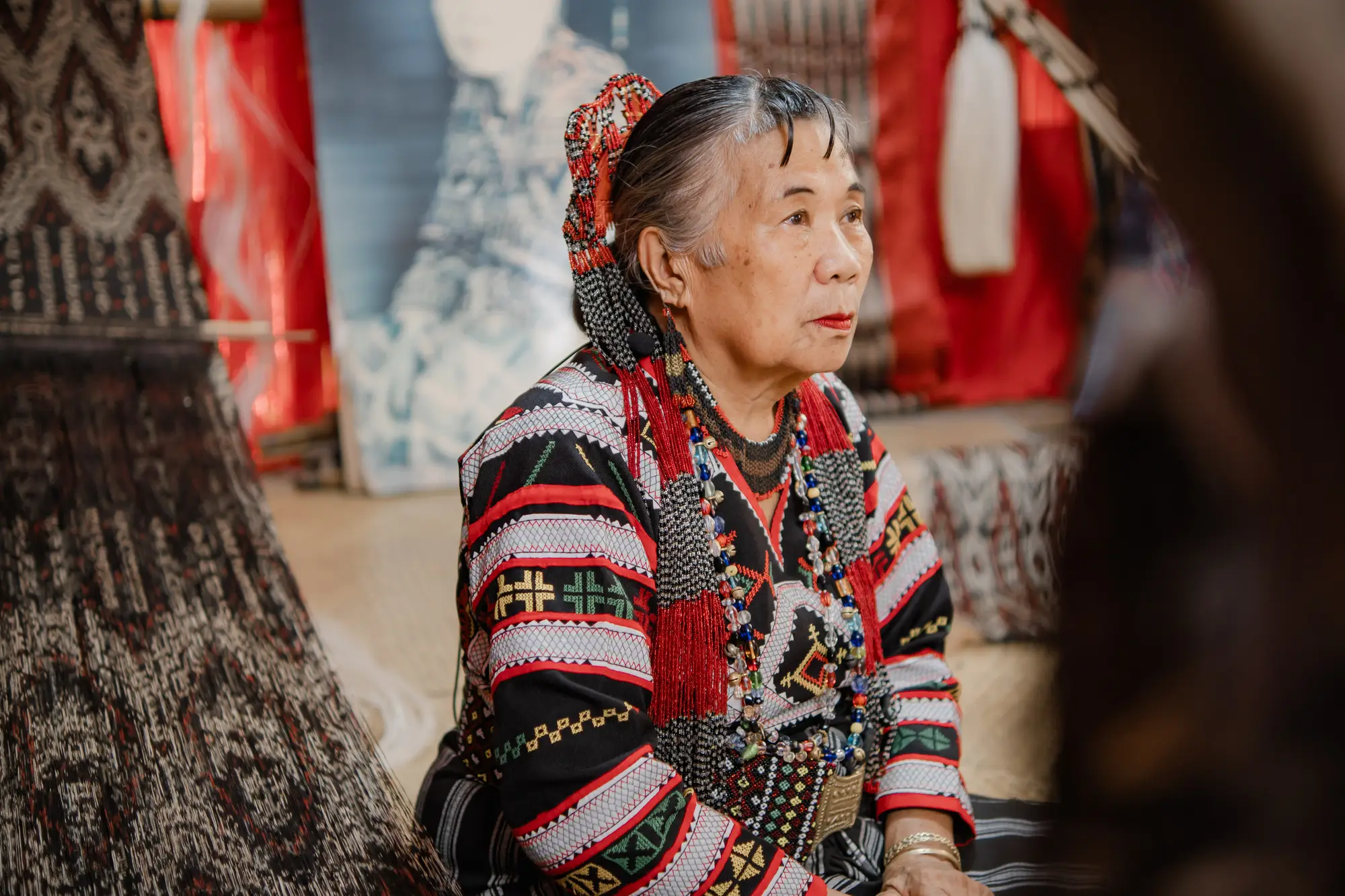
An elder weaver at the weaving center, looking across the room

About the founder

Cecille Castillon-Weinstein

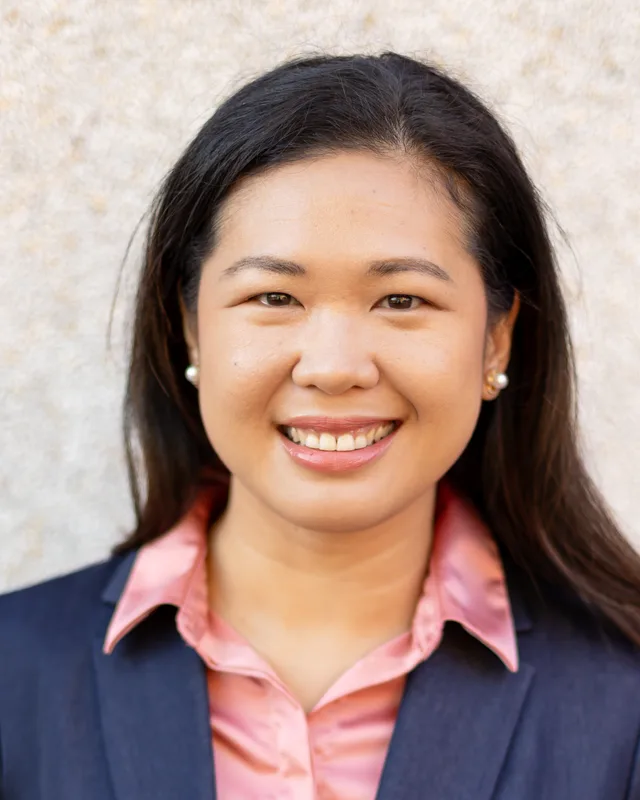
Founder and President of The Dreamweaver Collective. Born in Lake Sebu, South Cotabato, she spent her early childhood surrounded by its natural beauty. The Tboli way of life was the first culture she came to know, woven into her earliest memories of a place she remembers as paradise.

The organization began in 2019 as The Dreamweaver Project, inspired by Cecille’s desire to give back to the community that helped shape her. After completing a Fashion Merchandising course at the Fashion Institute of Technology (FIT) in New York and winning the title of Mrs. Philippines America 2019, she donated 100% of her cash prize to support artisans in Lake Sebu. The funds were used to purchase raw materials, improve equipment, and repair traditional looms, helping artisans continue the sacred art of T’nalak weaving.

Together with classmates, friends, and supporters, Cecille also helped raise funds to purchase handcrafted products directly from local artisans, introducing their work to new audiences in the United States. What started as a small grassroots effort soon grew into a larger mission, one dedicated to preserving Indigenous heritage, creating sustainable livelihood opportunities, and building meaningful connections between Mindanao, the Filipino diaspora, and communities around the world.

Today, through The Dreamweaver Collective, Cecille continues to champion the belief that cultural heritage is not only meant to be preserved, but also celebrated, shared, and passed on to future generations.

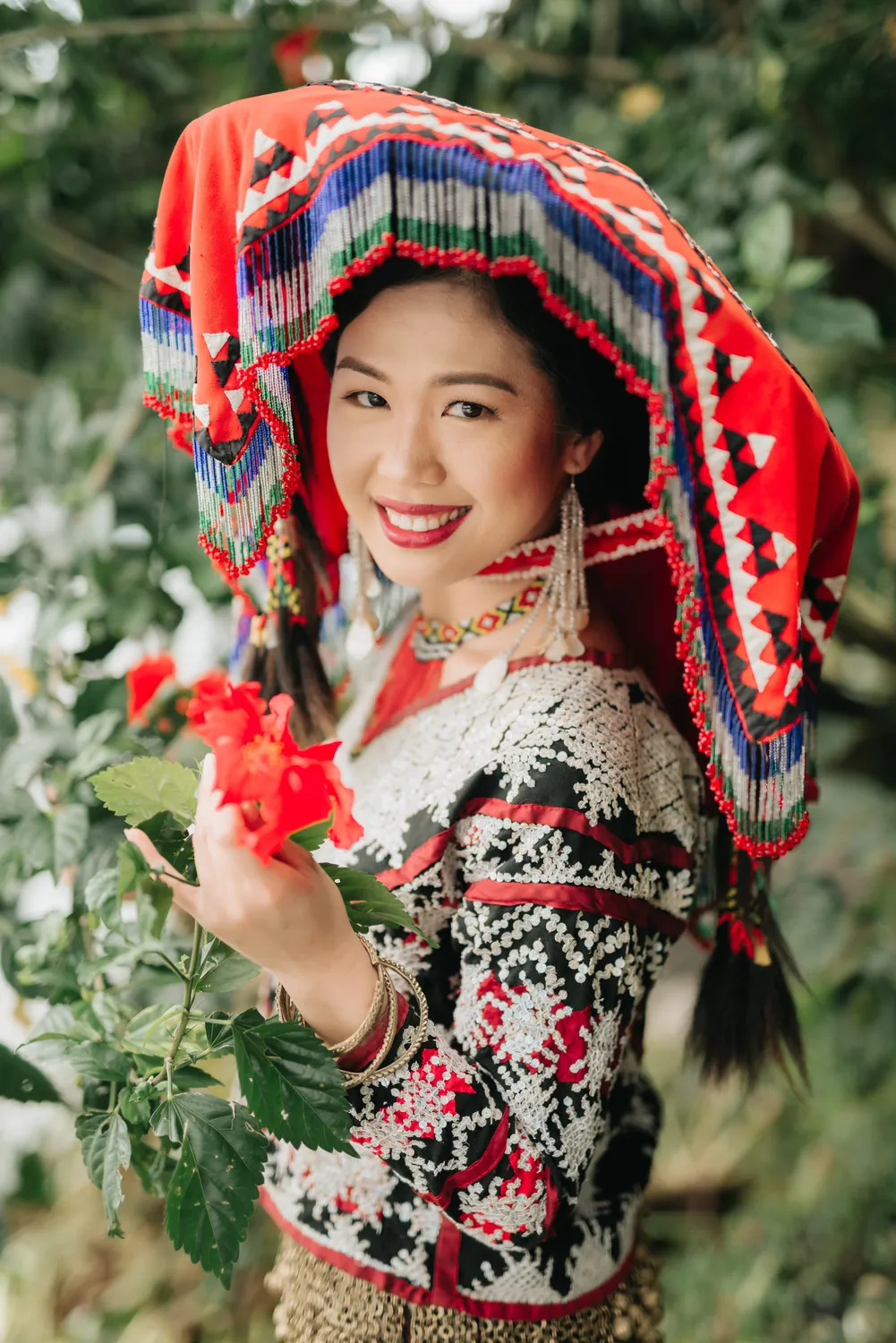
Cecille Castillon-Weinstein in Tboli dress and a red beaded headdress, smiling, holding red flowers
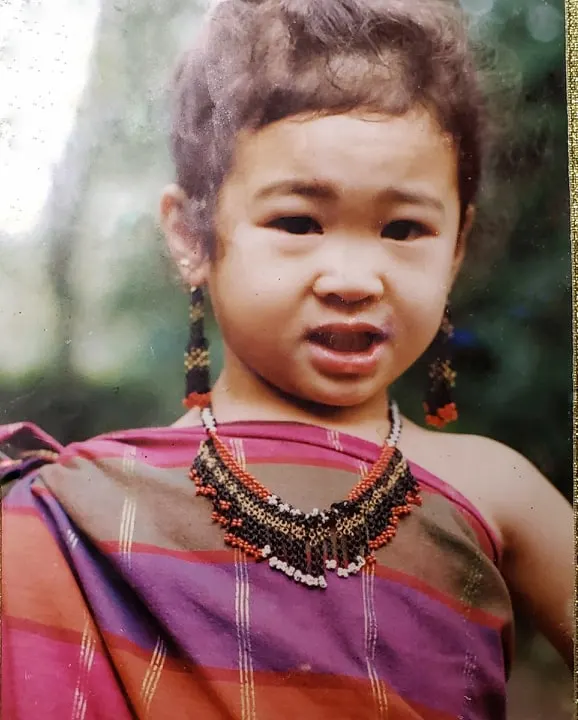
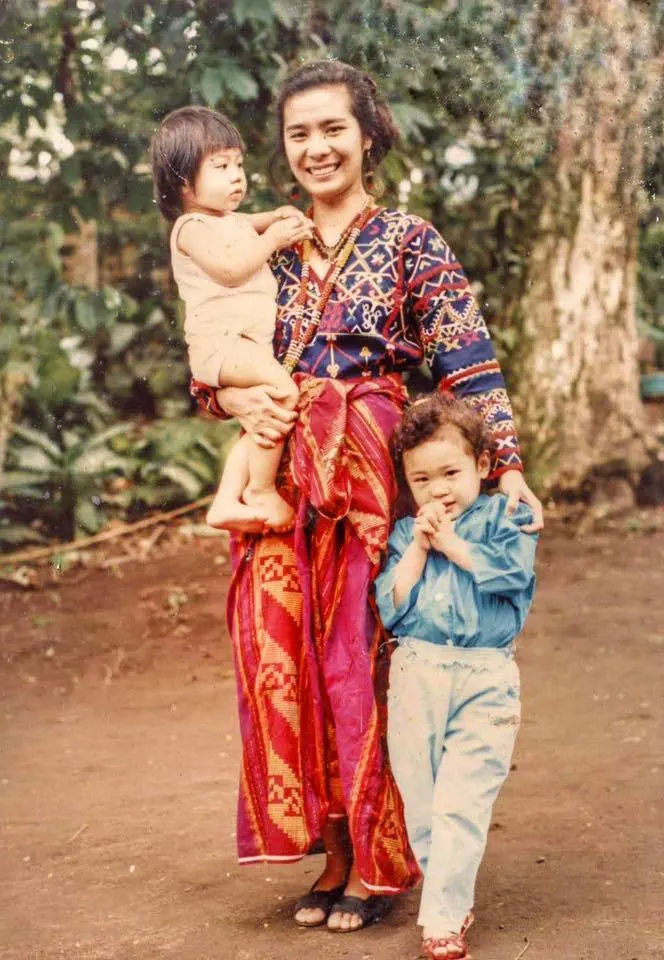
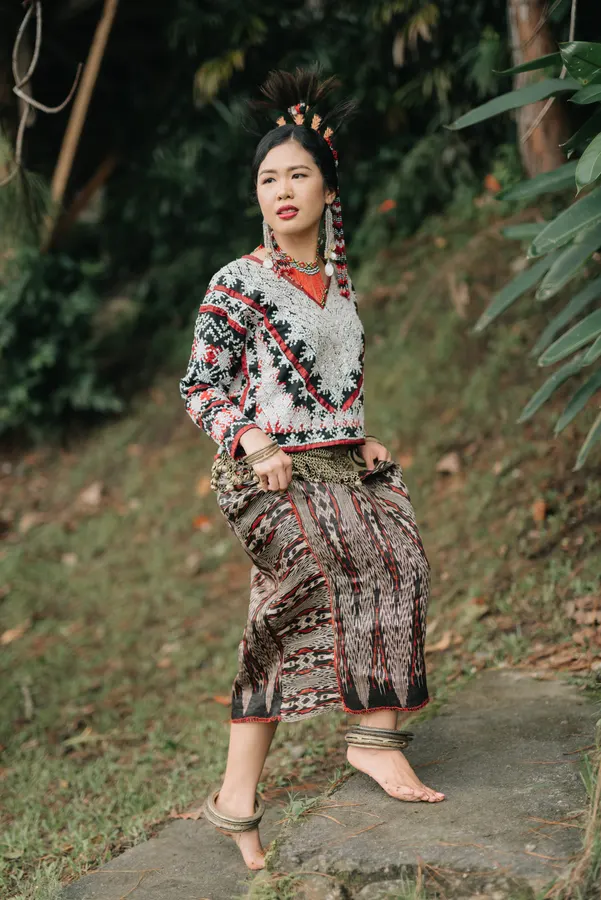
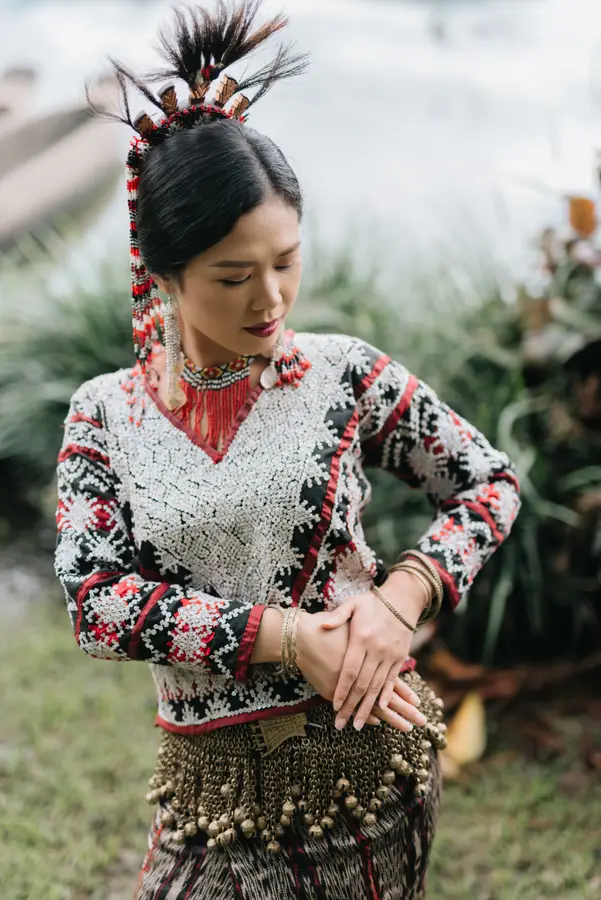
Cecille as a toddler, wearing a beaded necklace and earringsCecille as a child with her mother and her brother KarlCecille in Tboli dress and a feathered headdress, on a hillside pathCecille in Tboli dress, adjusting a beaded belt

Board Members and Advisors

Executive Committee

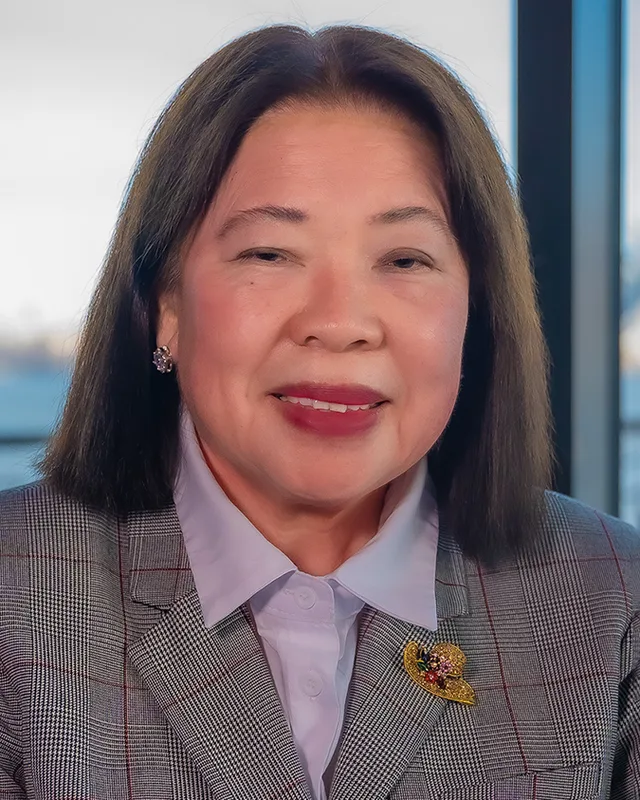
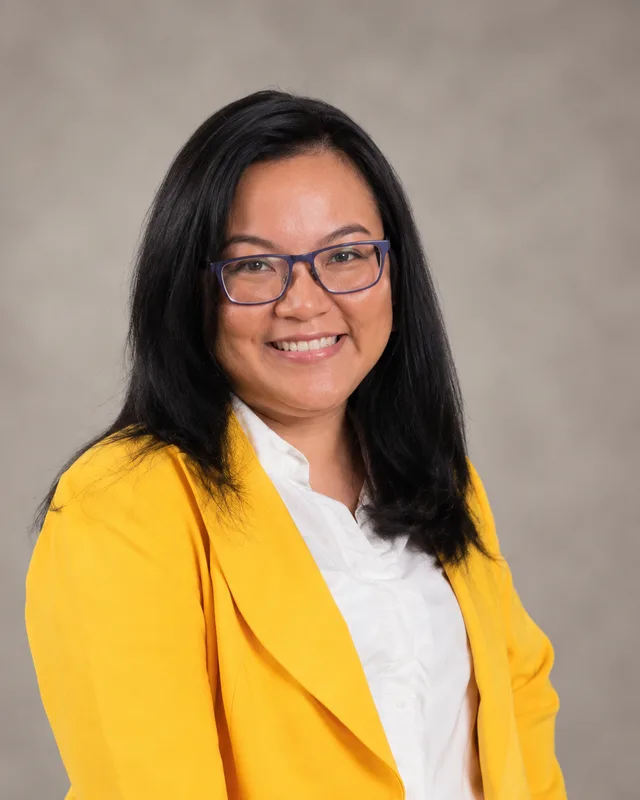
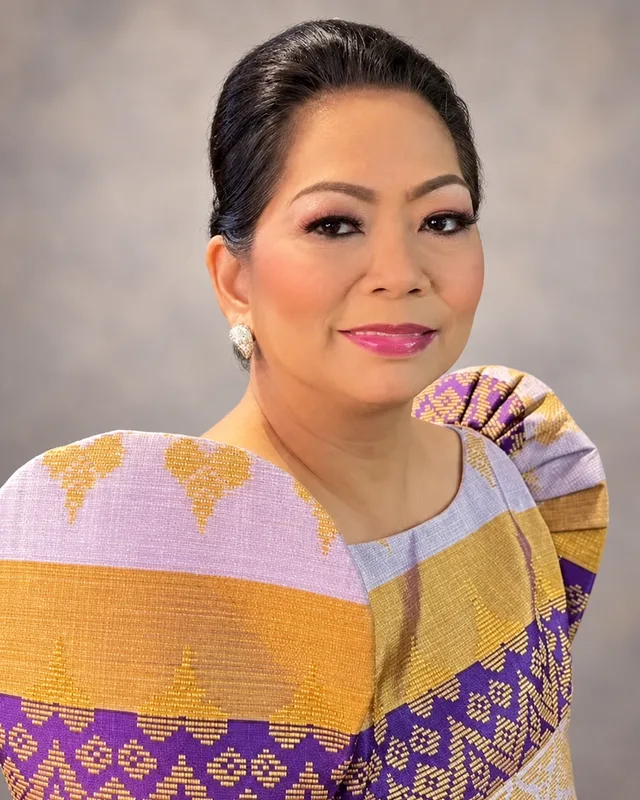
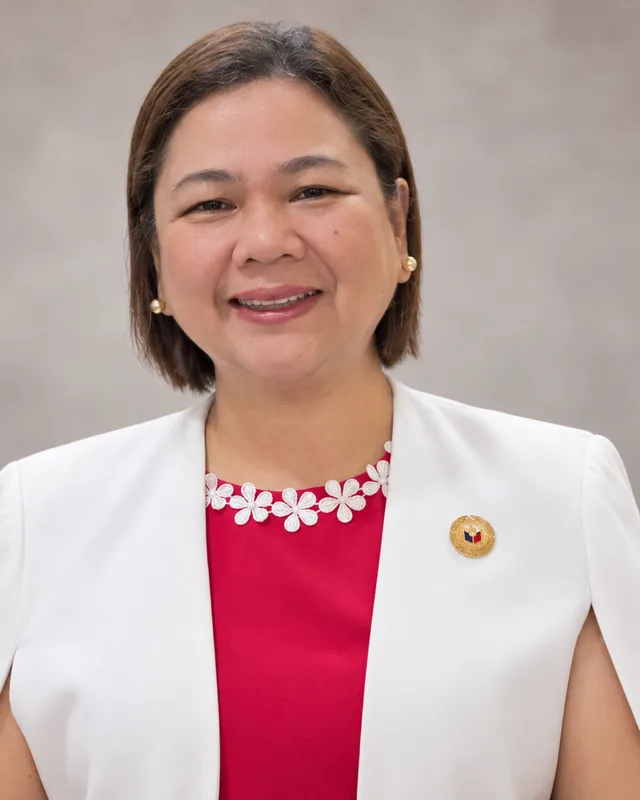
  • Cecille Castillon-Weinstein
    Founding President
  • Dr. Betina Ross Idnay
    VP - External Affairs
  • Dr. Dely Go
    VP - Internal Affairs
  • Mary Ann Gozon Kapunan
    Treasurer
  • Atty. Patricia Lauren Zuñiga
    Board Member

Board Advisors

  • Prima Guipo Hower
  • Bae Darlene Dilangalen Borromeo
  • Cong. Shirlyn Bañas Nograles
  • Shanna Marie Wallace
  • Fiona Valkenburgh Kent

Together, we can make a difference

When you support Indigenous artisans, you help preserve cultural traditions, strengthen communities, and ensure that the stories of Mindanao continue to be woven into the future.